
Anoxic Treatment of Active Insect Infestation in Furniture and Objects
Wood-boring beetle infestation is one of the more common problems brought to the studio, particularly in upholstered furniture and case pieces with untreated or shellacked wood surfaces. Emergence holes, fresh frass (a fine, powdery insect waste), and small round exit holes in the wood are the usual first signs.
We treat the piece in a sealed, oxygen-free enclosure. We use no chemicals at any stage. The oxygen is removed with museum-grade oxygen absorbers and held below 0.3 percent for five to six weeks, long enough to interrupt the complete insect life cycle, eggs and larvae included. This is the protocol museums use on their own collections, and it leaves no residue and does not interact with finishes, upholstery foam, or fabric. Chemical fumigation can interact with foam and finishes badly enough that upholstery has to be redone, which defeats the purpose of treating the piece in the first place. Anoxia is slower, but it does the job without putting the object's finish, fabric, or history at risk.
Anoxic treatment is most often needed for wood-boring infestation in antique and vintage furniture, powderpost beetle and death watch beetle above all, though it is equally effective against clothing moths and carpet beetles in textiles and upholstery. Treating every affected and nearby piece together matters as much as the treatment itself. Wood-boring beetles have preferred woods, and it is common to see obvious activity in one piece while a second sits quietly infested beside it. If even one untreated source remains among pieces stored or displayed together, it will reinfest what was just treated, and the whole process starts over. For this reason, we treat all known and suspected sources in a single campaign, in as many enclosures as needed, not only the piece that shows visible damage.
Throughout treatment, oxygen and temperature inside the enclosure are logged daily, twice daily during the first week, and during any temperature swings, since insects must remain metabolically active for oxygen deprivation to work and cooler temperatures slow the process down. Any oxygen excursion above 1 percent resets the exposure clock rather than simply resuming. That log is delivered with the piece as part of the treatment record, the same documentation standard we apply to every conservation treatment we perform.
What to expect: the pieces come to the studio, wrapped, and go directly into the enclosure on arrival. Treatment takes five to six weeks, plus a few days at each end for preparation and release. Pricing is based on the enclosure volume, with all materials and monitoring included, so a set of pieces treated together costs far less than the same pieces treated one by one.
If you notice small round exit holes, fine powdery frass, or fresh debris beneath a piece of furniture, photograph the damage against a ruler or coin for scale and reach out. Assessing activity from photographs alone isn't conclusive, but scale-referenced photos and a description of the frass texture help us judge urgency before the pieces come to the studio.
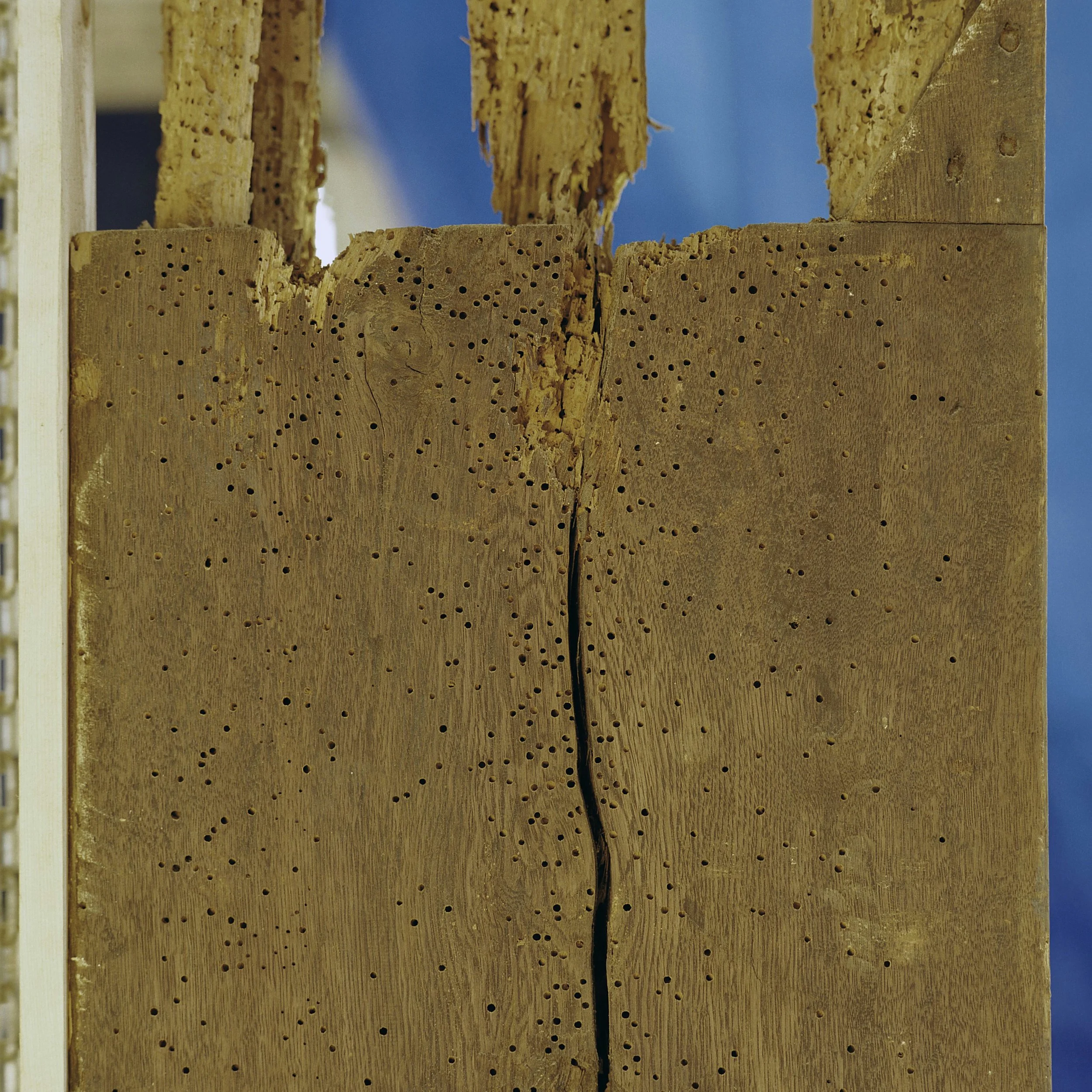
Drawer side with old deathwatch beetle infestation - Image: Rijksdienst voor het Cultureel Erfgoed, licensed under CC BY-SA
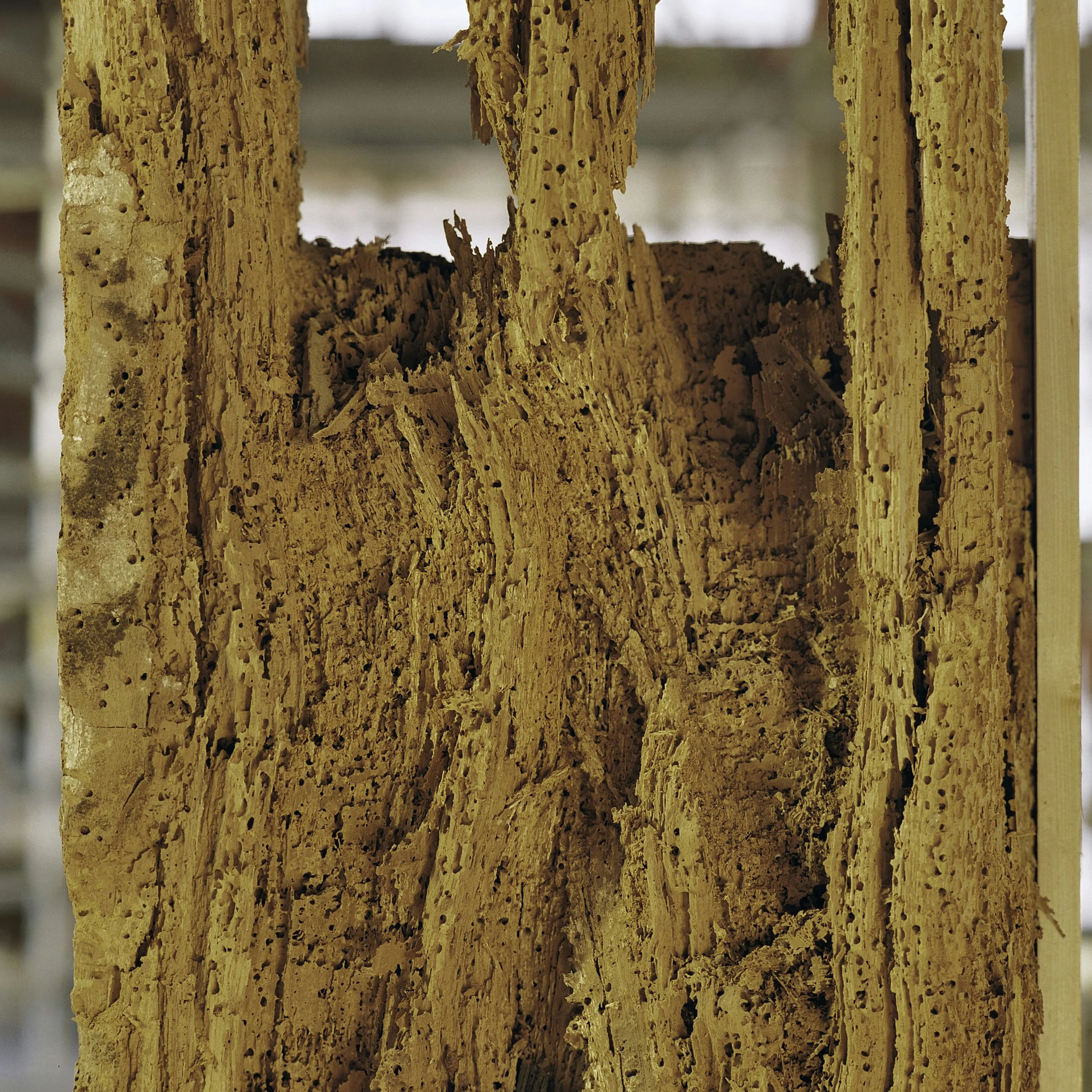
Drawer side, interior. Tunneling has largely destroyed the wood's integrity. - Image: Rijksdienst voor het Cultureel Erfgoed, licensed under CC BY-SA
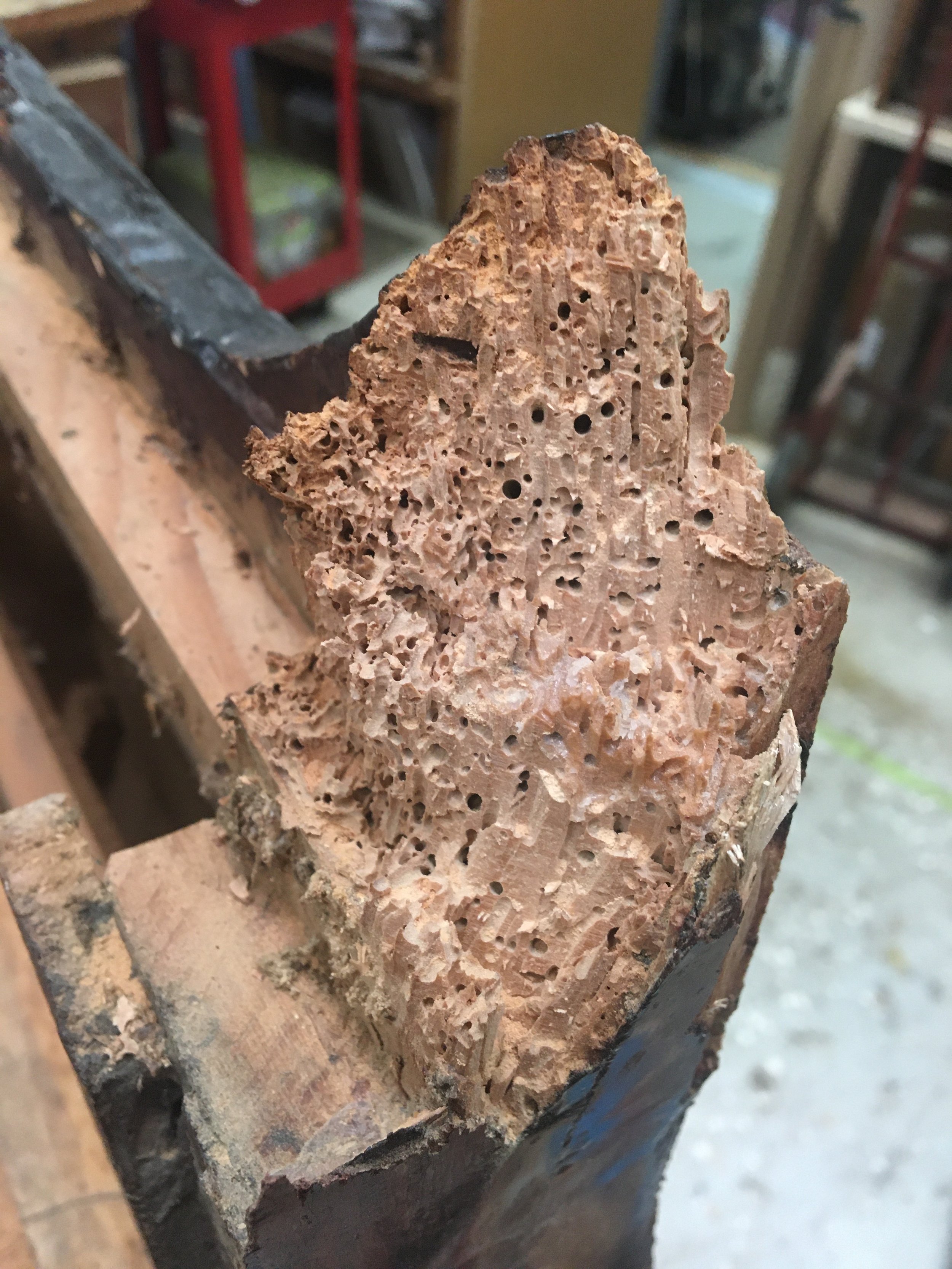
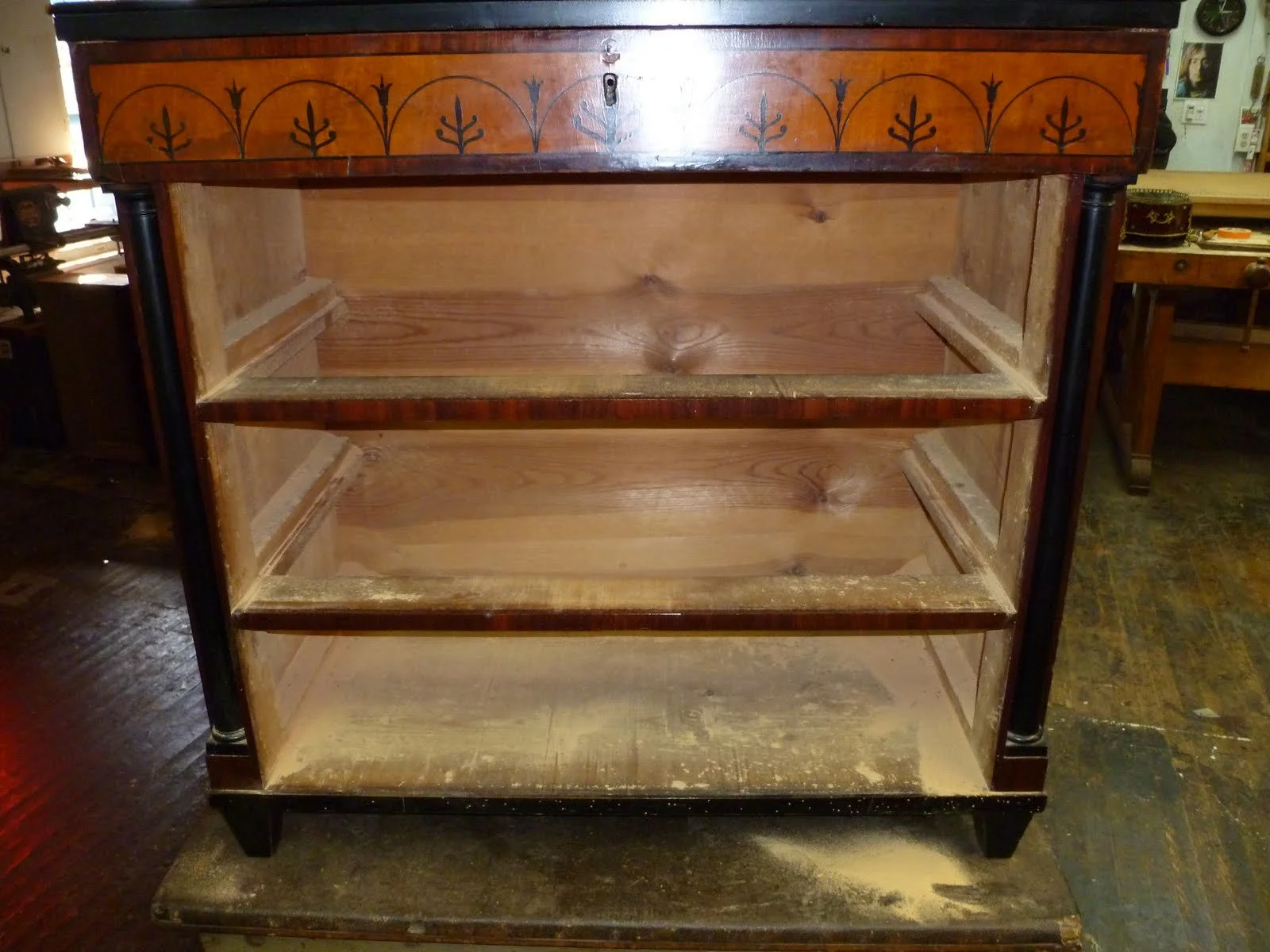
On a load-bearing member like this 18th-century marquetry chest-of-drawers leg, the infestation can be dramatic - image LA Conservators
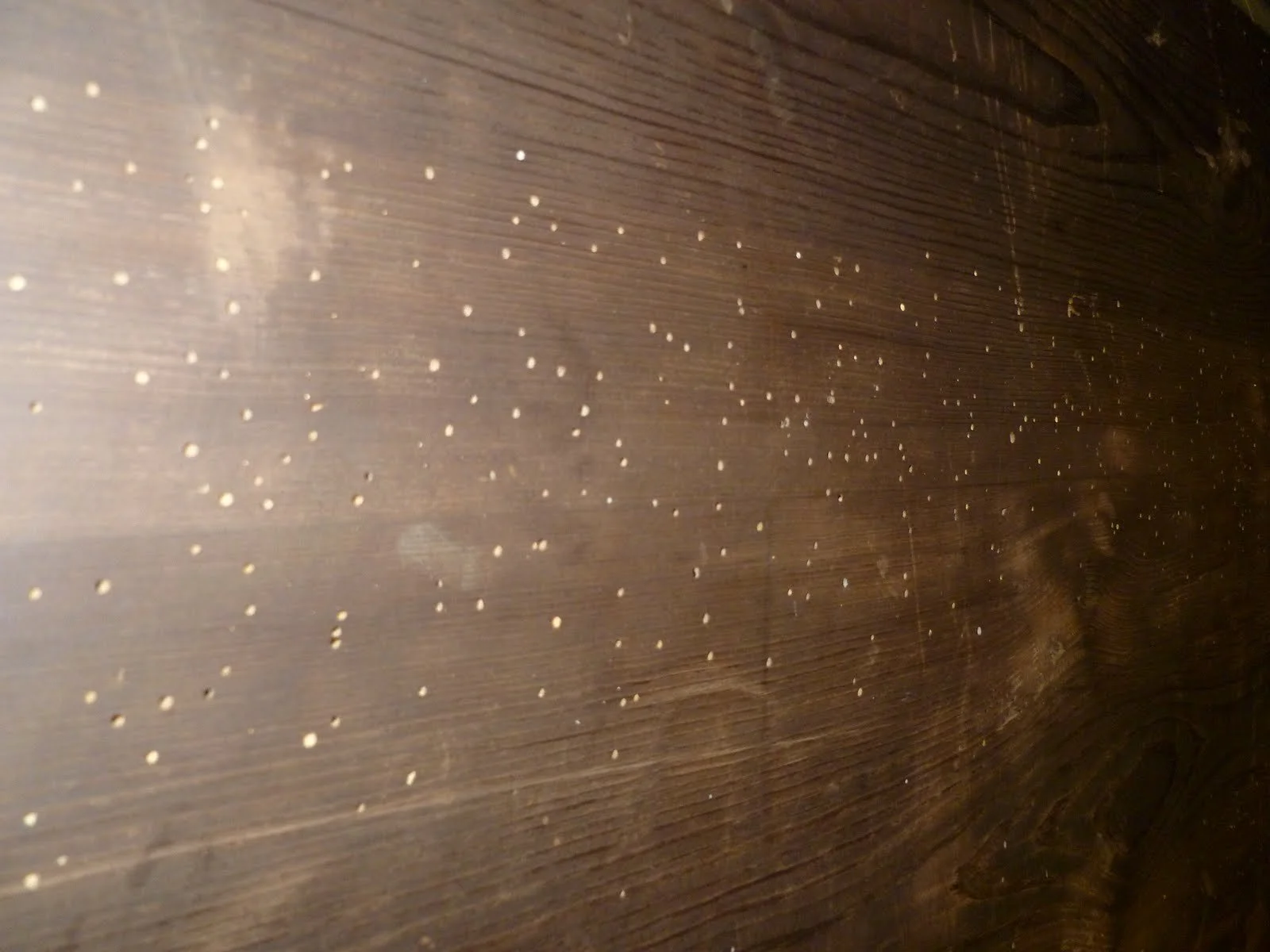
Powder post beetle exit holes after a latent infestation became active during a summer heat wave.
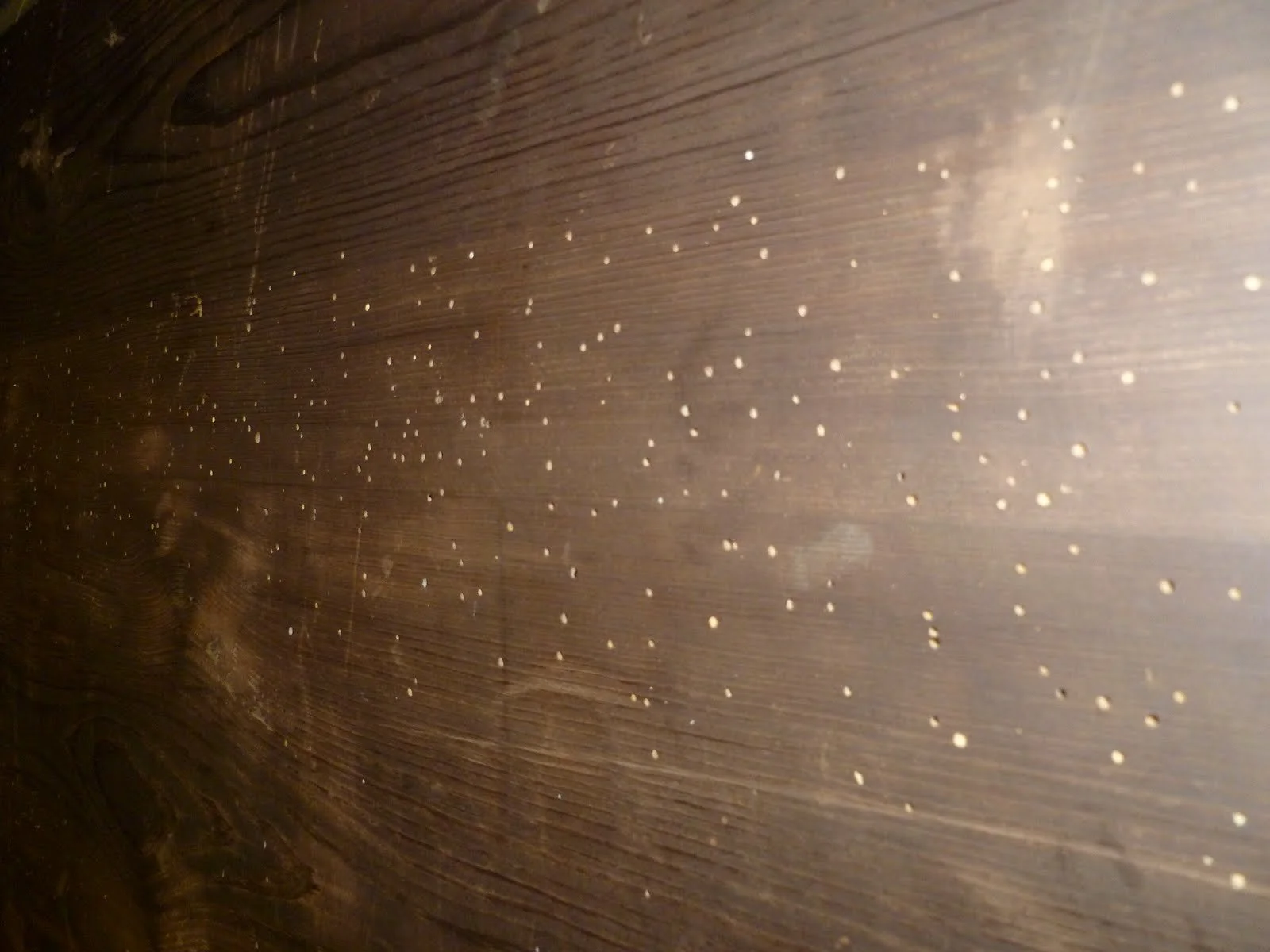
The lighter, unoxidized holes mark the newest activity.
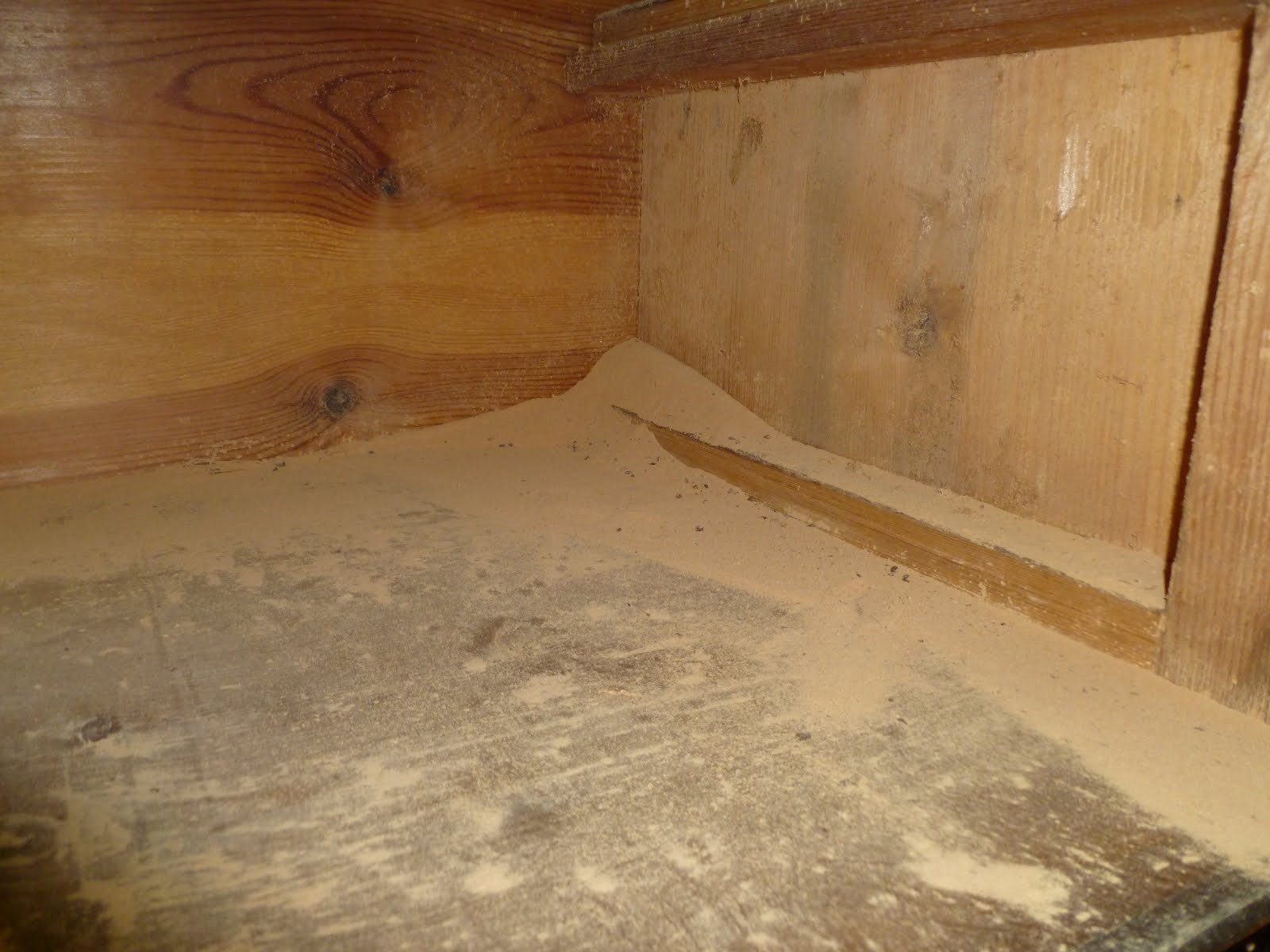
Frass piles beneath fresh holes confirm this is an active infestation. This picture shows an extremly active and destroying infestation